The Foundations of a New Empress: Rashta
So, what happens after the concubine becomes an Empress?
It's not an easy question to answer without first diving deep into how the whole empire was affected, because we're talking about a huge change in management. You're basically replacing a president with a doctorate with someone who didn't even go to school. This statement is not meant to be malicious but simply a declaration of fact: not everyone can be in charge of themselves, much less of an entire Empire. During the first season, Sovieshu seemed entertained by Rashta, and now he regards her as nothing more than an incubator, despite her empress status.
Rashta certainly doesn't fully feel like an empress herself. I predicted the empire was going to end up in shambles because she lacked the necessary knowledge, and it's clear to me now that Sovieshu's empire won't last long with her in power.
The Problem of Perception
First of all, the way she wants to be perceived is too much. She’s simply excessive. Her wedding dress made her look like a malformed Michelin man because, in her attempts to appear ostentatious, she tends to achieve the opposite. She makes herself look cheap and vulgar. We can't even blame her ladies-in-waiting or anyone else because the truth is she just doesn’t listen to anyone but herself (and Ergi), thinking she’s always right.
When she's not dressed like a maximalist disaster, she’s copying Navier’s style—using similar dresses and carrying herself as if cosplaying the former Empress would grant her the same powers and mind. She even talks about ushering in a "new era" while clinging close to the appearance of someone who’s no longer in the picture. She presents an oxymoron that doesn’t bring comfort but confusion and disdain; if you can't be your own kind of leader, you can't expect others to take you seriously.
Adding to her power deficiency is the not-so-shocking revelation that Sovieshu is not letting her handle the Empire’s accounts, under the excuse that she’s pregnant and needs to rest—which makes me think he doesn’t trust her, just as she doesn’t trust him. We're already seeing the first clues of her not being truly in power, as she needs permission from the Emperor to partake in some tasks. I can only hope this control gets harsher so she can feel what Navier felt.
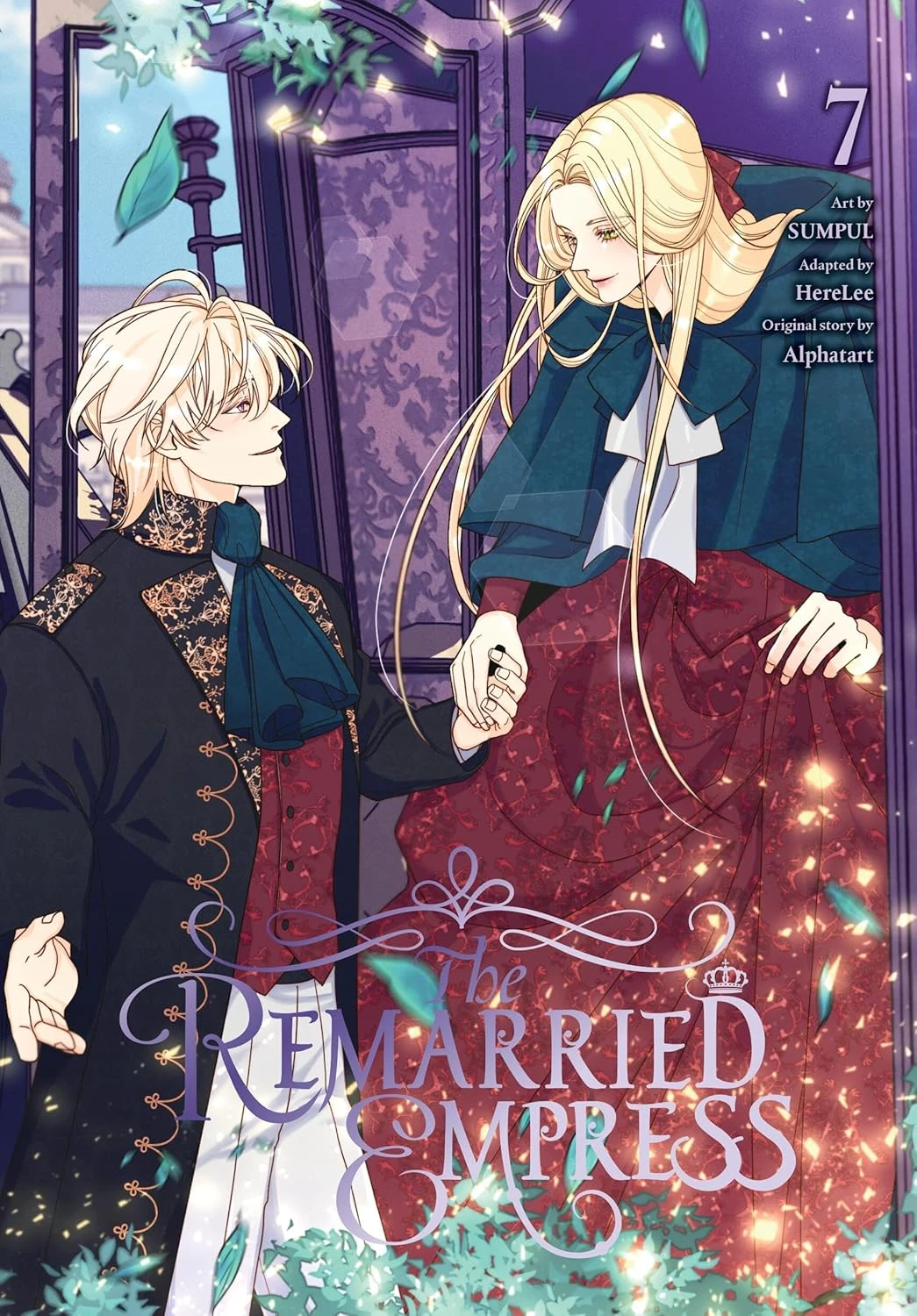
The Remarried Empress' Season Two Characters:
Eastern Empire:
Rashta
Rashta is initially introduced as an extremely beautiful and seemingly naive slave who becomes Emperor Sovieshu's concubine, and later, Empress of the Eastern Empire.
Sovieshu
Sovieshu is the Emperor of the Eastern Empire and Navier's childhood friend and former husband.
Ergi
Ergi is a noble from the Western Empire and a some sort of colleague of Heinrey's who is introduced early in the series, but he's currently loaning money to Rashta and advicing her.
Western Empire:
Navier
Navier is the former Empress of the Eastern Empire and soon-to-be-queen of the Western Kingdom.
Heinrey
Heinrey is the King of the Western Kingdom and a charismatic, mischievous, and deceptively clever figure.
Krista
Krista is the Dowager Queen of the Western Empire and the widow of Heinrey's deceased older brother.
The Queen of the West: Navier’s Rebirth
The Western Kingdom doesn’t yet know what a gem Navier’s presence will turn out to be, and technically, why would they? They just know King Heinrey decided to marry a stranger who was divorced by her previous husband, which speaks badly of her because they assume she must have done something to be expelled from the Eastern Empire.
There is, consequently, a lot of ignorance and hostility once Navier arrives. Although I was worried at first, Navier knew not to let herself be trampled by lower-ranking individuals while also being aware that she needed help, and she needed it quickly, to establish herself as a figure of both authority and trust.
Navigating the Court
Her position is questioned due to her past, but also because of the presence of the big elephant in the room: Krista, the wife of the late King and Heinrey's sister-in-law, who—weirdly enough—has the hots for Heinrey. Two queens in the same residence is never good, because the pre-existing staff will naturally be loyal to who they know, and Krista ruled for many years alongside Heinrey’s brother.
Why didn’t Heinrey remove her? Because, dear readers, Heinrey’s brother made him promise on his deathbed to take care of his wife, creating this complex relationship among all of them.
If something has taught me Navier, it’s that there needs to be a balance between punishing, rewarding, and ignoring your subjects to maintain their loyalty. You don’t want people to think you’re crazy and moody all the time, but you also cannot be too forgiving, or Rashta’s plan would work on every single kingdom. Not to worry, because slowly but surely, our soon-to-be Queen manages to gain the trust of some subjects within the palace, and she even gains two ladies-in-waiting. These ladies help her with her plan of gaining influence through good relationships with key people. I'm sure those key people will be more prominent in the third season.
This entire narrative of renewed ascension is a brilliant foil to Rashta’s: Rashta tried to force her way into the Eastern Empire, while Navier tries to patiently and effectively show she can be an asset. Both of them had to deal with people disrespecting and even mocking them, but Navier’s decades of education and intelligence are able to shine brightly in these situations. Although painful and making her feel quite powerless, Navier shows us once again how her training formed the ruler she is today.
The Power of Teamwork
And you know what also helps? That Heinrey is willing to put in their place whoever questions his queen's place. Who would have thought that working as a team was a thing between a couple? Sovieshu certainly didn’t.
But he’s about to find out, because Sovieshu has the audacity to invite both Navier and Heinrey to the Eastern Empire because he wants to "clarify his mistakes." You see? He just didn't have the time to explain things to Navier, but once he does, surely she will return to him because they're a couple and they're meant to be. It doesn't matter that he took a concubine without Navier's thoughts and feelings into account, much less that he’s willing to explain this during his wedding to Rashta. No! All that’s inconsequential, because he believes she must have left only because he didn't explain his grand plan: to get a son for them to raise together.
What was Navier’s answer when he revealed his plan? Well, she said nothing, because there was nothing left she could have said. Since the very first season, Navier was clear on not wanting to raise another woman’s child, for two important reasons: the fear of being replaced or used temporarily and then replaced by someone else, and the fear that the child would grow to hate her because she won't be able to get along with Rashta ever.
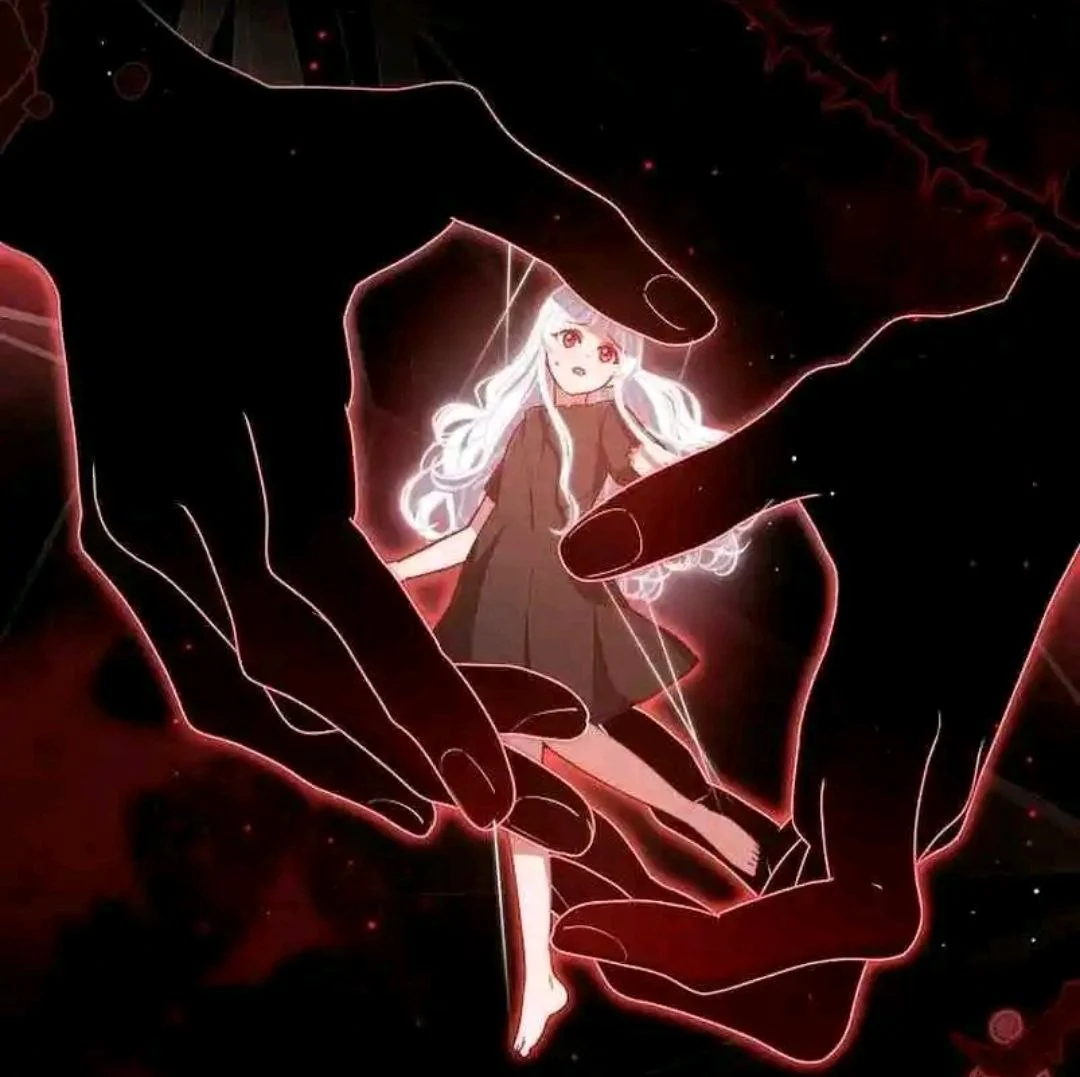
To him, this is all a game; he’s playing house with real people as if they were Barbie dolls. So much power went to his head that he just thinks he can do whatever he wants with no real consequence, until Navier left. It sickens me the way he isolates and constantly compares both women, basically pitting them against one another and then crying when one leaves because she’s not there for playing said games.
The Shadow of Ergi
So you see how quickly your status can change in the Empire, because the Empire shapes itself on the whims of the Emperor? Sovieshu’s decision-making is unstable at best.
With all of this happening, my focus—besides Navier and Heinrey—is now on Ergi. I almost ignored his presence in season one, but in this season, especially towards the end, Ergi seemed to be playing a game, but not a love game like Sovieshu, but a political one. I’m almost certain this person is moving pieces left and right across the table to benefit himself. How? Is he, perhaps, trying to keep a hold of the Eastern Kingdom for himself?
Evolution of the Art Style
Besides the story, there's something that needs to be said about the art. I remember not liking it at first, deeming the characters' designs as too lanky or stiff. However, there has been a significant change over the course of the seasons.
Key Changes in the Art:
- Facial Features and Softness: Early art sometimes featured sharp, angular jawlines and chins. The refined style utilizes rounded lines and softer shading, giving the characters—particularly female leads like Navier—a more approachable and traditionally elegant appearance.
- Detail and Consistency: The quality of details, such as those in the clothing, embroidery, and backgrounds, has become more elaborate across panels.
Although that last point could also be interpreted as Navier beginning to see her new place as a true home, thus viewing it with appreciative eyes. The coldness and rigid formality of the Eastern Empire contrast heavily with the gentleness, warmth, and supportive atmosphere of the Western Kingdom.
Worldbuilding
The connection between the Western Kingdom having gem mines—which are home to the bird-shifters/magicians—and Heinrey's act of gifting Navier gem-studded food in the first season is a genius correlation. It all takes such satisfying shape. Perhaps, mirroring real-life birds, this behavior is a courting mechanism, with the gems playing a role in their biological or magical drive to attract a mate.